Physical Address
304 North Cardinal St.
Dorchester Center, MA 02124
Physical Address
304 North Cardinal St.
Dorchester Center, MA 02124

The greatest, the least, and others in between.
The greatest, the least, and others in between.
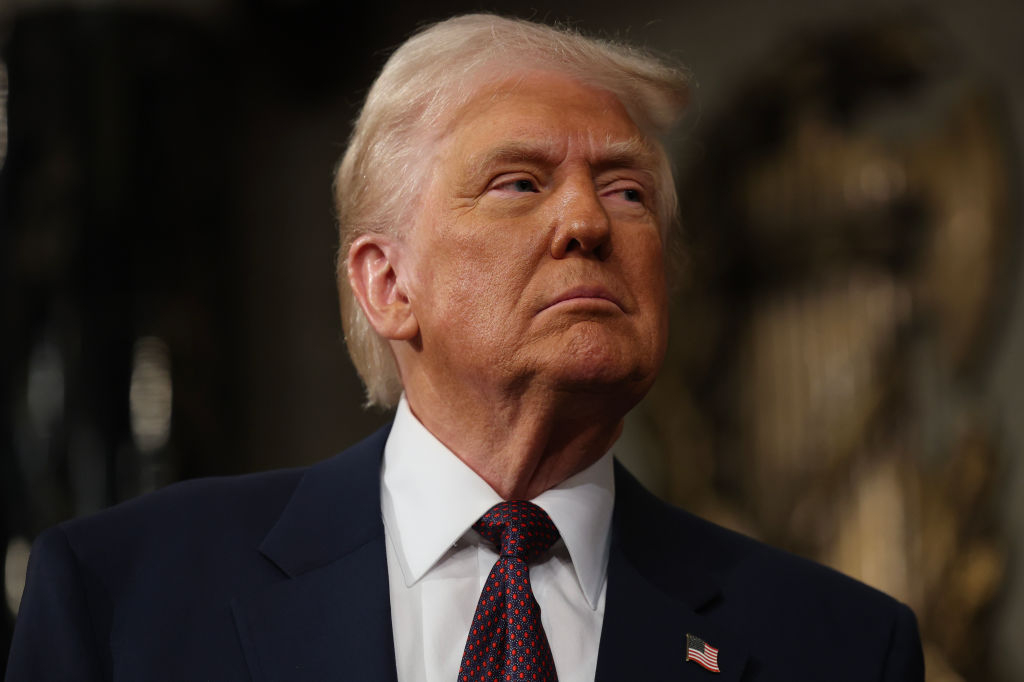
While fashion will undoubtedly see an impact from U.S. President Donald J. Trump‘s tariffs on imports from Mexico and Canada, it will not be among the hardest hit categories.
That distinction goes to transportation equipment, which in 2023 had a U.S. import value of $195.6 billion. In second place was fuel, at $145.3 billion and rounding out the top three is machinery, at $112.9 billion. Other categories include electronics and electrical machinery, at $94.5 billion, miscellaneous at $78.9 billion, and metals, at $52.5 billion. Prepared foodstuffs was $39.8 billion and vegetable products came in at $35.9 billion.
Fashion categories were either at or near the bottom of the list. Hide and skins, at $600 million, was notable. Just above it was footwear imports at $1.3 billion. Textiles and clothing had an import value of $6.9 billion, coming in just ahead of toys and sports equipment, which was at $1.9 billion.
How tariffs impact fashion sales is through higher prices for the products as companies and retailers pass along a portion of the duties to consumers. And while the fashion categories were much lower on the proverbial totem pole, its higher prices on food—the U.S. relies on Mexico for 63 percent of U.S. vegetable imports, and 47 percent of fruit and nuts entering America—and other necessities that impact how much is left over for discretionary spending on items such as apparel and footwear.
The impact isn’t the same across the board. Some parts of the northeast will see greater impact on fuel costs. Anyone looking to build a new home or start a renovation project will see higher costs for wood products, such as lumber. There’s one bit of good news for automakers and anyone on the hunt to buy a new car. The White House on Wednesday has provided a limited exemption of the 25 percent duties on imported vehicles—a move that would help General Motors, Ford Motor and Stellantis—from Mexico and Canada for one month, provided they comply with the USMCA, the United States-Mexico-Canada Agreement on trade that was negotiated during Trump’s first term as the 45th U.S. President.
“According to our industry sales survey, for the week ending Feb. 22nd, footwear sales plunged 26.2 percent compared to the same retail week in 2024,” Footwear Distributors and Retailers of America (FDRA) president and CEO Matt Priest said in a statement, adding that the data points reflect a survey of over 3,000 stores. “Sales declines hit every region of the country. This sharp decline isn’t just a typical business cycle fluctuation; it’s a clear indication of a shift in consumer behavior and sentiment tied to the ongoing rise in inflation, which continues to grow, alongside concerns that new tariffs will push costs even higher.”
Consumers were already less confident before Trump’s inauguration in January. The Conference Board’s Consumer Confidence Index fell by 7 points in February to 98.3. “This is the third consecutive month on month decline, bringing the Index to the bottom of the range that has prevailed since 2022,” said. Stephanie Guichard, The Conference Board’s senior economist, global indicators. She noted that survey responses reflected a “sharp increase in the mentions of trade and tariffs, back to a level unseen since 2019,” adding that comments on the “current Administration and its policies dominated the responses.”
Looking ahead, expect more hits to consumers’ purse strings.
In Trump’s speech to Congress Tuesday night, he touched upon the upcoming reciprocal tariffs that he plans to impose. “April 2, reciprocal tariffs kick in. And whatever they tariff us, other countries, we will tariff them. That’s reciprocal, back and forth,” he said. He cited the European Union, China, Brazil, India, Mexico and Canada, as well as South Korea. The thinking is that they will be difficult to implement for U.S. Customs. But that doesn’t appear to deter Trump.
Consequently, the impact on spending could get worse before it gets better, and maybe it also will last longer than expected. Last month, Trump said the new tariffs could cause “some pain,” but insisted that any price increases won’t be substantial. Tuesday night, he told the world that he’s ready to retaliate.
“Whatever they tax us, we will tax them. If they do non-monetary tariffs to keep us out of their market, then we will do non-monetary barriers to keep them out of our market,” he threatened. And while Trump’s emphasizing all the good that eventually will come from the “America First policies we are putting into place,” there’s little doubt that in the near term American consumers are the ones who will feel inflationary pressures.