Physical Address
304 North Cardinal St.
Dorchester Center, MA 02124
Physical Address
304 North Cardinal St.
Dorchester Center, MA 02124

The greatest, the least, and others in between.
The greatest, the least, and others in between.
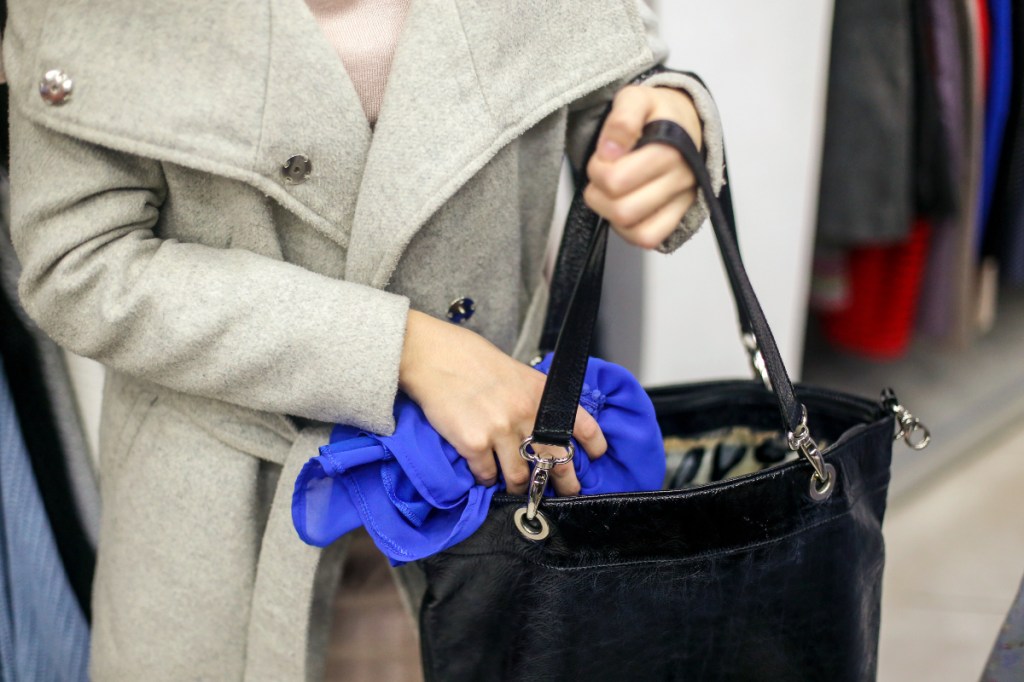
As retailers continue to stare organized retail crime in the face, another problem has crept up: consumer sentiment.
Last year, Capital One Shopping research projected that retailers could lose as much as $150 billion in merchandise to the myriad ways crimesters continue to pocket merchandise. The company estimated that, in 2023, retailers lost more than $121 billion to retail theft.
And Oscar Arango, former vice president of asset protection for Target, said as online marketplaces continue to proliferate, attracting consumers, making a quick buck off of reselling stolen items has become more attractive, and in some cases, more lucrative.
“Back in the day, when you had repeat offenders stealing from retailers, they would only have a few choices on how to resell that merchandise. They’d either go to a flea market, or they would go to a pawn shop and try to pawn the merchandise. Now, you can sell stolen merchandise out in the open on different [marketplace] platforms, and it’s become so much easier.”
Arango said crimesters have become more brazen, and that organized retail crime rings’ strategies are more visible to consumers, whether on social media, on the news or in person at their local stores.
“In the past, you saw a lot more people concealing merchandise, clandestine, trying not to be out in the open,” he said. “[But now,] it’s just a lot more overt in the way that they’re doing it. They feel like they can be more brazen.”
According to new data from Flock Safety and Zencity, nearly six in 10 consumers indicated that, when considering qualms over retail crime in stores, they prefer to shop online; that figure rose to 63 percent of consumers who had personally encountered retail crime in stores. Just over half of consumers reported that retail crime is at least a moderately serious issue in their city.
Arango said pushing consumers away from stores bodes poorly for retailers, who face direct profit loss from stolen merchandise, but also indirect profit loss when shoppers default to e-commerce.
“Retailers want consumers shopping in their stores, because shoppers that go into a physical store tend to spend more,” he said. “Every retailer is trying to balance providing a [strong] shopping experience, making sure the products are in stock for the consumer to purchase…with, how do we ensure that the bad actors don’t get what they’re coming for?”
For many retailers, that’s where preventative measures, technology and post-theft reporting comes to the fore. Companies like Flock, Appriss Retail and others have used their proprietary solutions to aid retailers in their fight against crime—and consumers are starting to notice their efforts.
Six in 10 consumers said they’ve noticed video cameras on store premises, and 63 percent reported seeing locked shelves or items placed behind security counters. Just one in 10 consumers noted that they had seen a store associate with a body camera, which some retailers have started to adopt, but 45 percent said they have noticed a higher number of security personnel in stores.
But Arango said retailers have to play their cards right when it comes to physical barriers to merchandise; Flock and Zencity’s data shows that half of consumers said that, upon encountering locked merchandise, they waited more than five minutes for assistance retrieving an item.
“It’s important to have a really good strategy around how you are going to enhance that customer experience when you do lock something up,” he said. “You also have to leverage technology. I think more retailers need to continue to look for ways of protecting their merchandise, but doing it in a way in which their loyal customers can still access those items.”
Many consumers—45 percent—said they are likely or very likely to support a retailer using technology to battle retail crime. Thirty-six percent of consumers said they were indifferent, and just one-fifth of consumers noted they were either not likely at all or unlikely to support retailers bringing technology to their aid.
Arango said that represents a positive shift in consumer sentiment—and noted that increased technology is not only likely to make consumers feel safer, but also likely to enhance the store associate’s experience and comfort.
Still, he advised, it’s best to keep as much technology as possible in front of consumers, both to ward off bad actors and ease the minds of loyal customers.
“The more upfront you are with your customers, the better off you are when you are deploying technology,” he said.